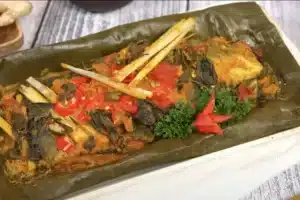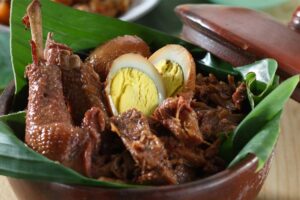


Indonesia, the world’s largest archipelago nation, is a land of rich cultural diversity and vibrant traditions. Among its many treasures, the country’s culinary heritage stands out as a unique reflection of its history, geography, and people. Indonesian cuisine, known as Warisan Kuliner, is a celebration of flavors, techniques, and stories passed down through generations. From the spicy sambals of Java to the aromatic curries of Sumatra, each dish tells a tale of the region’s past and present.
The Roots of Indonesian Cuisine
Indonesian food has been shaped by centuries of trade, migration, and cultural exchange. Influences from Indian, Chinese, Middle Eastern, and European cuisines have blended with indigenous ingredients to create a distinctive and diverse culinary landscape. The use of spices such as turmeric, lemongrass, galangal, and chili peppers is a testament to Indonesia’s role as a key player in the ancient spice trade. These ingredients not only add depth and complexity to dishes but also symbolize the country’s historical significance as a hub of global commerce.
Rice is the cornerstone of Indonesian cuisine, serving as a base for many traditional dishes. Dishes like Nasi Goreng (fried rice) and Nasi Uduk (coconut rice) highlight the versatility of this staple. Nasi Goreng, often considered the national dish, is made with fried rice, meat, vegetables, and a fried egg, seasoned with Kecap Manis (sweet soy sauce). Its simplicity and flavor make it a beloved choice across the archipelago.
Iconic Dishes and Their Cultural Significance

Indonesian cuisine is home to a variety of iconic dishes that showcase the country’s regional diversity. Babi Guling (suckling pig) from Bali is a prime example of how local ingredients and cooking techniques come together to create a memorable meal. The pork is marinated with a blend of spices, including turmeric, garlic, and lemongrass, then roasted over an open fire until the skin is crispy. Served with rice and sambal, this dish is often reserved for special occasions and celebrations.
Another beloved dish is Gado-Gado, a vegetable salad dressed in a rich peanut sauce. This dish is not only a treat for the palate but also a symbol of Indonesia’s agricultural abundance and love for fresh, healthy ingredients. Similarly, Rawon (beef soup) from East Java is known for its deep, nutty flavor derived from keluak nuts. The dish is often accompanied by steamed rice, salted eggs, and fried shallots, creating a harmonious balance of flavors.
Regional Variations and Local Traditions
Each region in Indonesia has its own unique culinary identity, influenced by local ingredients, climate, and cultural practices. In Jakarta, Nasi Uduk is a popular choice, while in West Java, Soto Betawi (a beef and coconut soup) is a staple. The island of Bali is famous for its Babi Guling, while the northern part of Sumatra offers Mie Ayam (chicken noodle soup), a comforting and flavorful dish.
The concept of Warisan Kuliner extends beyond individual dishes to include the rituals and traditions surrounding food. For instance, Sate Padang (Minangkabau skewered meat) is often served during festivals and family gatherings, emphasizing the importance of community and togetherness. Similarly, Martabak Manis (sweet pancake) is a favorite street food, enjoyed by people of all ages.
The Role of Spices and Flavors
Spices play a crucial role in Indonesian cuisine, adding depth and complexity to dishes. Commonly used spices include coriander, cumin, cloves, and cinnamon, which are often combined to create unique flavor profiles. The use of Kecap Manis (sweet soy sauce) and Sambal (chili paste) further enhances the taste of many traditional dishes.
In addition to spices, ingredients like coconut milk, tamarind, and lemongrass are essential in creating the signature flavors of Indonesian food. These ingredients not only contribute to the taste but also reflect the country’s natural resources and agricultural practices.
Preserving and Celebrating Culinary Heritage
As Indonesia continues to modernize, the preservation of its culinary heritage remains a vital aspect of cultural identity. Efforts to document and promote traditional dishes are gaining momentum, with initiatives such as food festivals, cookbooks, and digital media playing a significant role. These efforts help ensure that the flavors and stories behind Warisan Kuliner are passed down to future generations.
Moreover, the integration of technology in food documentation and education allows for a broader audience to appreciate and learn about Indonesian cuisine. Social media platforms, online recipes, and virtual cooking classes are making it easier for people around the world to explore the rich tapestry of Indonesian food.
Conclusion
Indonesian culinary heritage, or Warisan Kuliner, is a vibrant and dynamic reflection of the country’s history, culture, and people. From the bold flavors of Babi Guling to the comforting warmth of Soto Betawi, each dish carries a story that connects individuals to their roots and to one another. As we continue to explore and celebrate these traditional foods, we not only savor the flavors but also honor the legacy of a nation that has long been at the crossroads of global trade and cultural exchange.